A landmark ruling has reshaped how South African parents spend time with their newborns, but it’s not without its complications.
On 3 October 2025, South Africa’s Constitutional Court delivered one of its most consequential labour law rulings in years. In Van Wyk and Others v Minister of Employment and Labour, the Court declared the existing provisions of the Basic Conditions of Employment Act (BCEA) unconstitutional, finding that granting four months of leave only to birth mothers while restricting fathers and other non-birthing parents to just ten working days was rooted in outdated gender stereotypes that assumed women were natural caregivers and men mere helpers.
The case itself had a very human story behind it. It began when Werner van Wyk asked his employer for four months of leave to care for his newborn baby because his wife ran two businesses and couldn’t take time off. His situation highlighted just how rigid the old system was.
What Has Actually Changed?
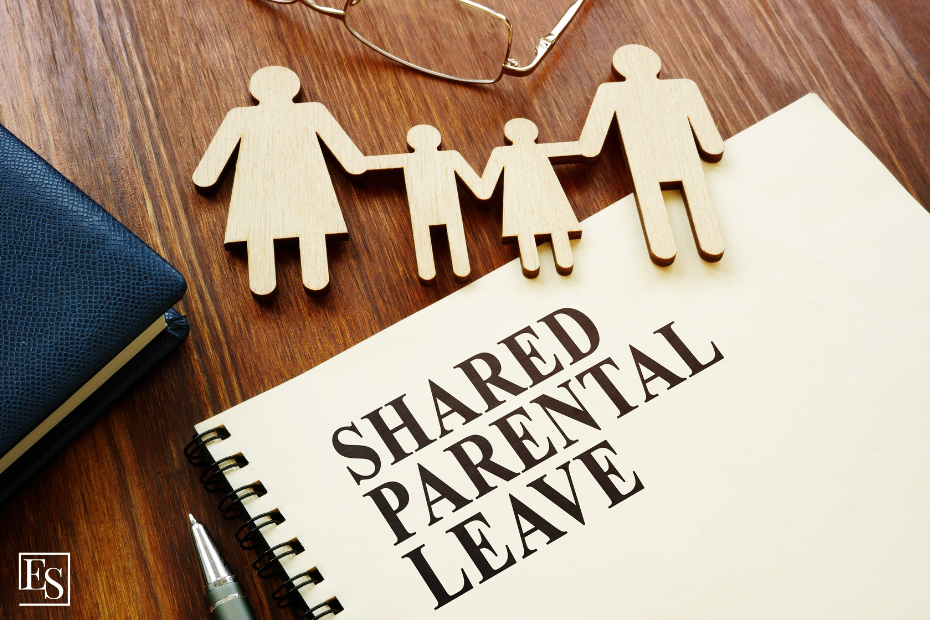
Under the new unified parental leave system, both parents, through birth, adoption, and surrogacy, are collectively entitled to four months and ten days of parental leave, to be shared as they choose, regardless of gender. Parents can take leave at the same time or one after the other. If they cannot agree on how to divide it, the law will split it as equally as possible. A single parent gets the full four months and ten days.
Birth mothers will still need to take six weeks of post-birth recovery leave, counted as part of the shared total.
The Pros
The benefits of this ruling are significant. It champions gender equality in the workplace by dismantling the assumption that childcare is a woman’s responsibility. The ruling is seen as a significant victory for inclusivity. It can ensure that mothers are not excluded from the workforce, while still allowing them to have a parent present in the early months. It also allows fathers and non-birth parents to share in their child’s early development. For same-sex couples, adoptive parents, and surrogacy families, the unified approach is far more equitable than the fragmented old system.
From a business perspective, offering inclusive parental leave will become a talent attraction factor, a meaningful drawcard for employers looking to retain top staff.
The Cons and Challenges
The transition is not without headaches. Many employers’ existing leave policies and practices are likely to be discriminatory under the new rules, requiring immediate review. Businesses will need to plan for more prolonged absences and accommodate shared leave arrangements. When both parents work for the same employer, overlapping or back-to-back leave periods require careful scheduling.
Financially, the law has limits. Employers are not required to pay employees for parental leave, but eligible employees may claim UIF benefits ranging from 38% to 66% of their income, depending on earnings. A maximum income threshold of ZAR 17,712 per month applies when calculating these benefits, leaving many middle- and higher-income earners with a significant pay gap during leave.
The declaration of invalidity has been suspended for three years to allow Parliament to amend the law, meaning the current interim model is binding but not yet fully codified by legislation. On 26 February 2026, the Minister of Employment and Labour released draft amendments to various labour legislation, including the parental leave provisions, signaling that formal reform is underway but remains a work in progress.
The Verdict
South Africa’s new parental leave framework is a bold and necessary step toward a more equal society. It challenges deeply embedded gender norms, supports diverse family structures, and gives parents the flexibility to decide what works best for their families. The road ahead, particularly for Parliament and HR departments, will require careful planning. But for South African families, this is unquestionably a landmark moment worth celebrating.